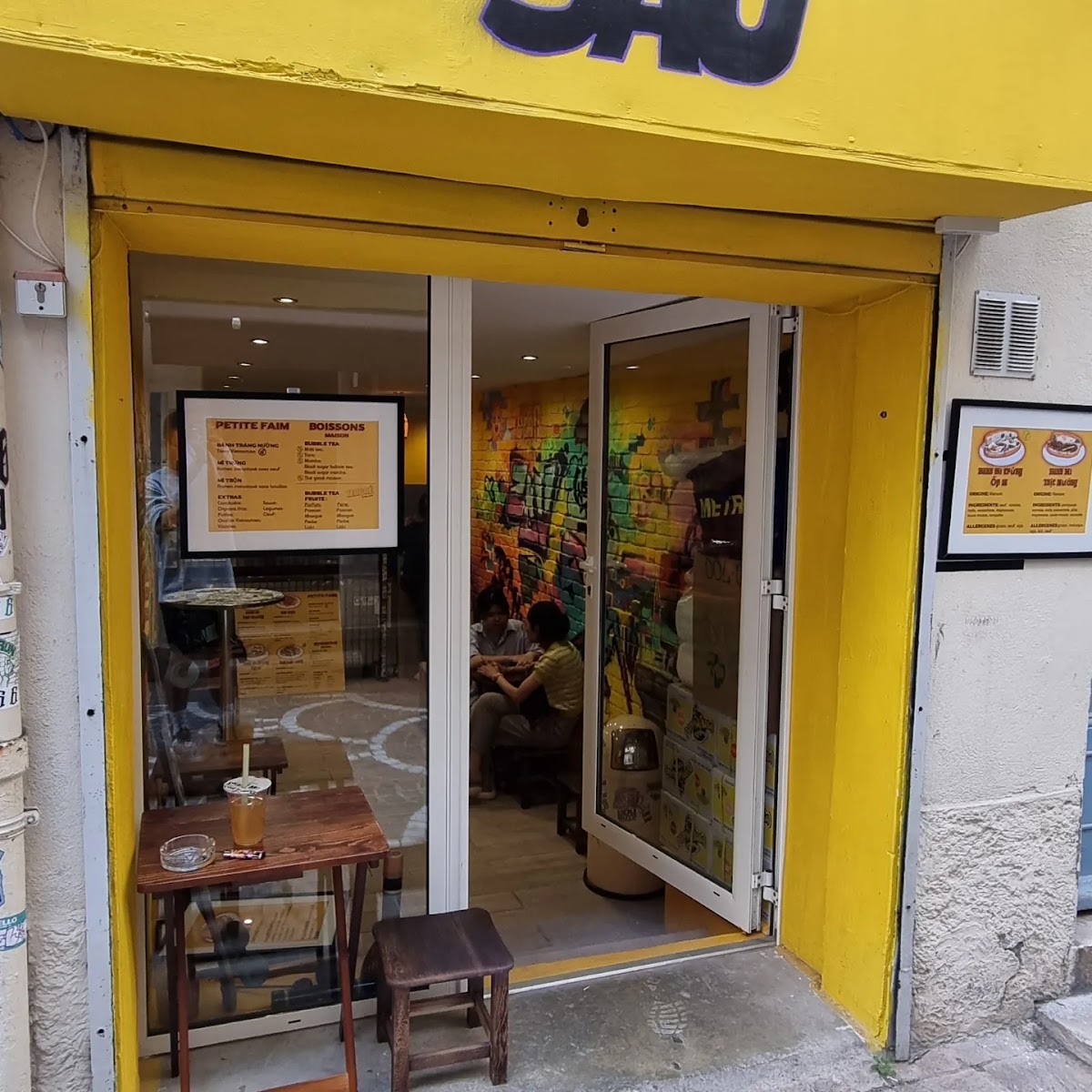
It was a really small cute place! I got a taro milk tea and ramen with an egg for €11. Apart from that it was super yummy! The guys that is there is really sweet and ready to serve. Come try it out!!!
Overview
Walking down a quiet side street in the old town, the first thing you notice is the hum of conversation drifting out from Sáu (Le 6) Antibes, tucked away at 6 Rue Fourmillière, 06600 Antibes, France. I first ate here on a warm spring evening after a long day along the ramparts, and it immediately felt like one of those places locals try not to talk about too loudly. The room was full, but not rushed, and the staff greeted regulars by name, which is usually the first sign you’re somewhere worth sitting down.
The menu is short enough to read without glasses, yet varied enough to tempt repeat visits. This is not accidental. Many small independent restaurants in France follow a focused-menu approach, a practice supported by research from the French hospitality group Gira Conseil, which notes that smaller menus often lead to higher ingredient quality and less food waste. Here, that philosophy translates into seasonal dishes built around fresh produce, seafood from the nearby coast, and carefully sourced meats. On my first visit, the daily special was grilled sea bream with fennel and citrus, and the balance of flavors showed real restraint and confidence in technique.
What stood out most over multiple visits was consistency. I returned a few months later with friends visiting from Paris, and the experience held up. The process in the kitchen is clearly well organized: dishes arrive promptly, plates are warm, and nothing feels improvised. According to industry benchmarks published by Atout France, consistency is one of the top factors influencing positive restaurant reviews, even more than novelty. This place seems to understand that trust is built one plate at a time.
Service deserves its own mention. The team explains the menu without overdoing it, offering suggestions when asked and leaving you alone when you’re mid-conversation. One evening, I watched the server gently steer a hesitant couple toward a wine that matched both their meal and their budget, a small but telling moment of professionalism. Wine choices lean local, with several Provençal bottles and a few natural options, reflecting broader dining trends noted by the Michelin Guide in recent regional reports.
Reviews online often highlight the relaxed atmosphere, and that matches my experience. You can come here dressed up after the beach or slightly polished for dinner, and neither feels out of place. The dining room layout encourages conversation, and even when it’s busy, the noise never tips into chaos. Acoustics are something many restaurants overlook, yet studies from hospitality design firm Bigtime Design show that comfortable sound levels significantly increase the length of stay and overall satisfaction.
There are limitations worth noting. Seating is limited, so walking in during peak summer evenings can be hit or miss. The menu also changes regularly, which adventurous diners love, but those searching for a specific dish they read about in older reviews might be disappointed. Still, that flexibility is part of what keeps the kitchen fresh and engaged.
In a town packed with dining options, from seaside brasseries to tourist-heavy cafés, this address feels grounded and honest. It doesn’t chase trends or Instagram moments. Instead, it focuses on good food, thoughtful service, and a clear sense of place. After several meals here, it’s easy to see why many locals quietly recommend it when asked where they actually eat, not just where they send visitors.
Good to know
Service options
✓ Outdoor seating ✓ Takeaway ✓ Dine-inHighlights
✓ Great coffeePopular for
✓ Lunch ✓ Dinner ✓ Solo diningAccessibility
✓ Assistive hearing loop ✓ Wheelchair-accessible car park ✓ Wheelchair-accessible toiletOfferings
✓ Coffee ✓ Small plates ✓ Vegan options ✓ Vegetarian optionsDining options
✓ Brunch ✓ Lunch ✓ Dinner ✓ Catering ✓ Dessert ✓ Seating ✓ Table serviceAmenities
✓ Wi-Fi ✓ Wi-Fi ✓ ToiletAtmosphere
✓ Casual ✓ CosyCrowd
✓ Family friendly ✓ LGBTQ+ friendly ✓ Tourists ✓ Transgender safe spacePlanning
✓ Accepts reservationsPayments
✓ Credit cards ✓ Debit cardsChildren
✓ Good for kids ✓ Kids' menuPhotos
1 / 4
Location
Reviews
- No ratings yet 185 reviews
We enjoyed so much the food, it reminds me of Vietnamese street food in Vietnam. Recommended to go when you are in Antibe and wanna try other food than French food.
Looking for lunch, we stopped into this tiny Vietnamese street food shop. It seemed popular for takeout, but we were happy eating at one of their few low tables We ordered a banh mi thit and a Vietnamese taco (and the rice-paper "taco" was unlike anything we'd had before). Both our meals were delicious, and the charming gentleman running the shop was very happy to answer questions in French or English.
The food is authentic and mouth watering. Reasonable price for a quick snack while wandering around Antibes. Service is great!
Friendly staff with great knowledge of authentic Vietnamese food. Delicious Banh Mi and bubble tea. Highly recommend
I am Vietnamese and I had really good experience at this restaurant. Highly recommend Banh My cause this signature tasted as real as I thought in my mind. Especially felt like home when he turned on all Vietnamese song playlist. Good service and definitely coming back next time!!!
What a great little hidden gem for a delicious quick bite away from the crowded little streets of city center and old town. This little Vietnamese place Serves delicious teas and sandwiches….Fresh ingredients, made to order! Mine came on a delicious baguette…try the Jasmine tea and Banh mi op la - Great service and friendly staff!
Legit Vietnamese street food served up by friendly Vietnamese locals. Only place in town to find a true cà phê sữa đá (Saigon coffee).